
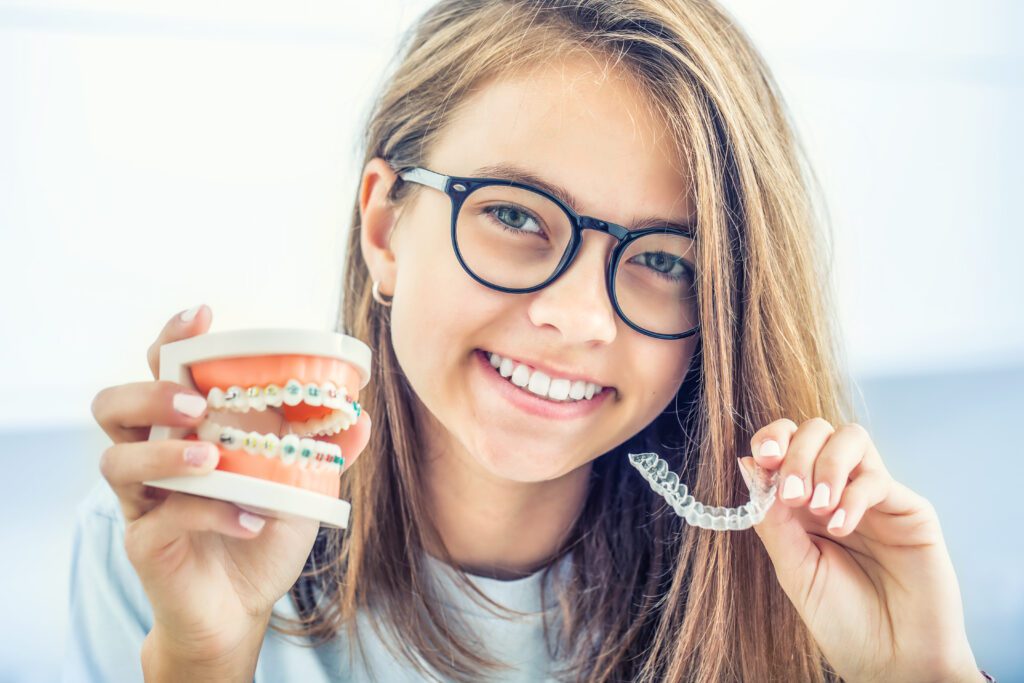
Cosmetic Dentist Explains Invisalign vs Braces Options for Patients Near Me
When you’re ready to straighten your teeth, choosing between Invisalign and traditional braces can feel overwhelming. As a cosmetic dentist serving North Royalton, we understand you want clear answers about your orthodontic options. Let’s break down the real differences between these popular treatments with no confusing dental jargon, just straight talk about what matters for your smile.
What Makes Invisalign Different from Traditional Braces?
Here’s the fundamental difference: braces use fixed metal brackets and wires attached to your teeth, while Invisalign uses a series of removable, clear plastic aligners. Think of it this way: braces are like permanent jewelry for your teeth that works 24/7, while Invisalign is more like a clear retainer you can pop out when needed.
Your Invisalign treatment involves wearing custom-made aligners that gradually shift your teeth into position. You’ll switch to a new set approximately every two weeks. Traditional braces, on the other hand, stay put throughout your entire treatment while your orthodontist periodically adjusts the wires.
How Do Treatment Times Compare?
You’re probably wondering: “Will one option straighten my teeth faster?” The answer depends on your specific case. Traditional braces typically work for 18 to 36 months. Invisalign often delivers results in 12 to 18 months for mild to moderate cases. However, complex bite issues might require the consistent pressure that only braces can provide.
Remember, these timeframes assume you’re following your treatment plan perfectly. With Invisalign, that means wearing your aligners for 20-22 hours daily. Skip this commitment, and your treatment could stretch significantly longer. Our patients searching for a dentist near me often express surprise at how discipline affects their timeline.
What About Comfort and Daily Life?
Let’s address the elephant in the room: comfort matters. Braces can cause initial soreness, especially after adjustments. You might experience irritation from brackets rubbing against your cheeks. Foods like popcorn, caramel, and corn on the cob become off-limits.
Invisalign offers different advantages. You can remove aligners for eating, meaning no food restrictions. Brushing and flossing remain simple since there are no wires to navigate. The smooth plastic rarely irritates your mouth. However, you’ll need to brush after every meal before reinserting your aligners, a habit that takes commitment but promotes excellent oral health.
Which Treatment Option Is Less Visible?
Appearance during treatment influences many decisions. Traditional metal braces are noticeable, there’s no getting around it. While ceramic braces offer a more subtle look, they’re still visible up close. Some patients, especially teens, embrace braces as a fashion statement with colored bands.
Invisalign aligners are virtually invisible from normal conversation distance. Most people won’t notice you’re wearing them unless you point them out. This discretion makes Invisalign popular among professionals and adults who want to maintain their appearance during treatment. The advanced technology behind these clear aligners has revolutionized cosmetic dentistry.
How Do Costs Compare Between Options?
Investment in your smile varies based on complexity and treatment length. Traditional braces generally range from $3,000 to $7,000. Invisalign costs typically fall between $3,500 and $8,000. Don’t let these numbers discourage you since many insurance plans cover orthodontic treatment similarly for both options.
Payment plans make either choice manageable for most budgets. During your consultation, we’ll discuss financing options that fit your situation. The long-term value of a healthy, confident smile far outweighs the initial investment.
Which Option Fits Your Lifestyle Best?
Your daily routine should guide your decision. Active athletes might prefer Invisalign to avoid potential mouth injuries from brackets during sports. Musicians who play wind instruments often find Invisalign less intrusive. However, if you’re concerned about losing aligners or forgetting to wear them, braces eliminate those worries.
Parents choosing for their children should consider maturity levels. Braces work continuously without requiring responsibility for wear time. Invisalign demands discipline that some younger patients struggle to maintain. There’s no universal right answer, just which to choose based on individual circumstances.
Making Your Decision with Professional Guidance
Both Invisalign and braces effectively straighten teeth when properly managed. Your unique dental needs, lifestyle preferences, and commitment level should drive your choice. Schedule a consultation to discuss your smile transformation goals. We’ll examine your teeth, discuss your concerns, and recommend the most effective path forward.
Ready to start your journey to a straighter smile? Contact Comprehensive Family Dentistry today to explore whether Invisalign or traditional braces will best achieve your goals. Your perfect smile is waiting, so let’s create it together.